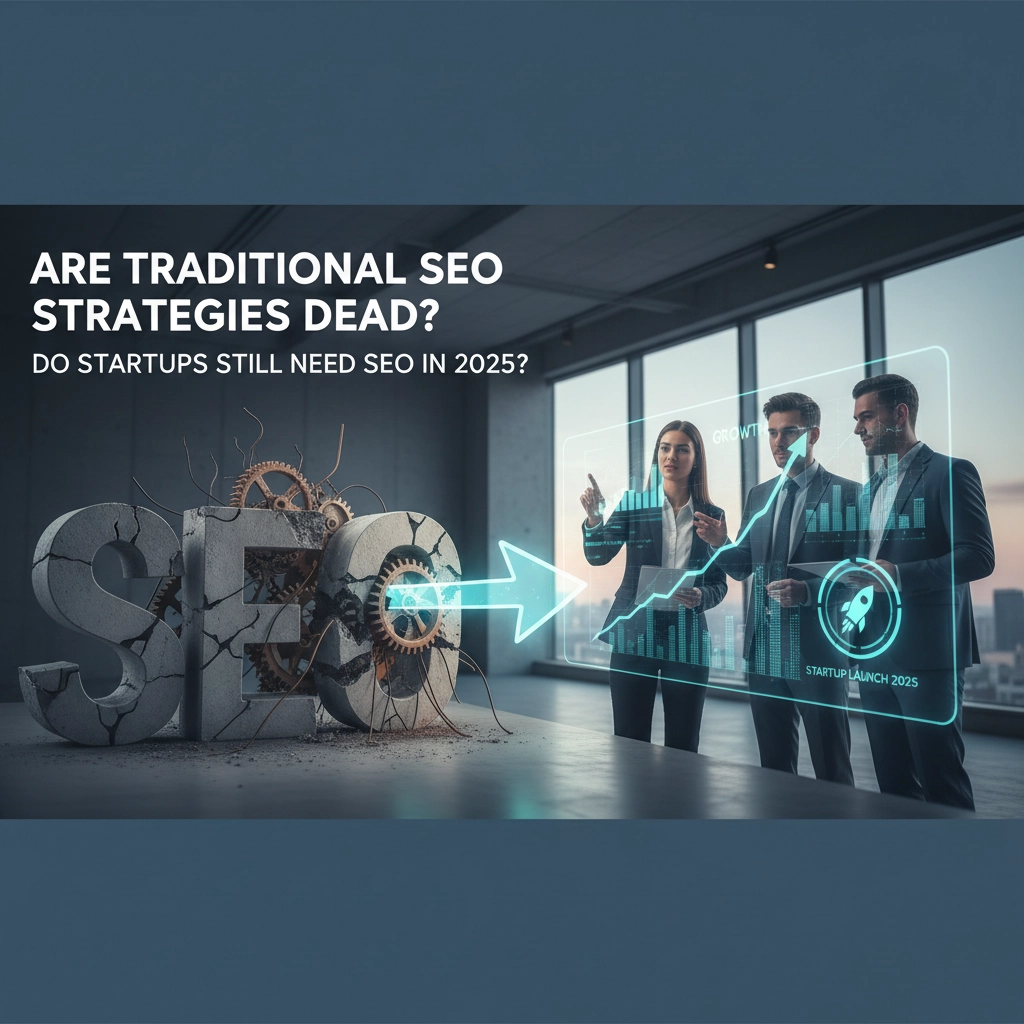
Let's cut through the noise right now: Traditional SEO is NOT dead, and if you're a startup thinking you can skip SEO in 2025, you're making a massive mistake that'll cost you everything.
The truth? SEO has evolved, but it's still the backbone of digital success. While your competitors are chasing shiny AI tools and abandoning proven strategies, smart startups are doubling down on a hybrid approach that combines traditional SEO foundations with cutting-edge AI optimization.
Here's what you need to know to dominate your market while others fumble in the dark.
Why Traditional SEO Still Crushes the Competition
Your Foundation Determines Everything
Traditional SEO has delivered results for over 20 years because it works. Period. Those fundamentals: keyword research, on-page optimization, quality content creation, and link building: aren't going anywhere. Google's algorithm updates haven't killed these strategies; they've refined them.
Your startup needs this proven foundation because you can't afford to gamble with experimental tactics that might work. Traditional SEO gives you predictable, measurable results that build sustainable growth.
E-E-A-T Demands Human Expertise
Google's E-E-A-T framework (Experience, Expertise, Authoritativeness, Trustworthiness) requires authentic human input that AI simply cannot replicate. Your startup's credibility depends on demonstrating real expertise and building genuine authority in your space.
This means creating content that showcases your team's knowledge, building relationships with industry leaders, and establishing your brand as a trusted voice. No AI tool can fake the authenticity that search engines: and customers: demand.

The Hybrid Revolution: Where Smart Startups Win
The game-changer isn't choosing between traditional SEO and AI: it's mastering the combination. The most successful startups in 2025 are running hybrid strategies that leverage AI efficiency while maintaining human strategic oversight.
AI Handles the Heavy Lifting
Use AI for:
- Automated keyword clustering and analysis
- Technical SEO audits and optimization suggestions
- Competitor analysis and gap identification
- Real-time performance monitoring and adjustments
- Content optimization for readability and SEO factors
Humans Drive Strategy and Creativity
Reserve human expertise for:
- Strategic planning and goal setting
- Brand voice development and content creation
- Relationship building and outreach
- Creative campaign development
- Quality control and strategic pivots
This hybrid approach delivers better results at lower costs. One documented case study showed a startup reducing SEO expenses by 40% while improving performance by shifting from pure traditional methods to a strategic hybrid model.
Evolution, Not Extinction: What's Changed in 2025
From Keywords to Intent Modeling
Traditional keyword-focused SEO is evolving toward intent modeling and entity optimization. You need to understand not just what people search for, but why they're searching and what they actually need.
This shift requires you to:
- Analyze user behavior patterns beyond keyword volume
- Create content that addresses complete user journeys
- Optimize for semantic relationships between concepts
- Focus on solving problems, not just ranking for terms
Voice Search Optimization is Non-Negotiable
Voice search has fundamentally changed how people find information. Your startup must optimize for conversational queries and long-tail keywords that reflect natural speech patterns.
Key voice search strategies include:
- Targeting question-based keywords
- Creating FAQ-style content
- Optimizing for local search intent
- Structuring data for featured snippets

The Startup Advantage: Why SEO Matters More for You
Cost-Effective Long-Term Growth
Unlike established companies with massive advertising budgets, your startup needs cost-effective marketing strategies that build sustainable growth. SEO delivers organic traffic that doesn't disappear when you stop paying for ads.
The initial investment in SEO creates compound returns over time. Every piece of optimized content, every quality backlink, and every technical improvement builds cumulative authority that drives ongoing traffic without additional costs.
Building Authority from Zero
Startups face an uphill battle establishing credibility in competitive markets. Traditional SEO strategies like guest posting, expert roundups, and thought leadership content help you build authority relationships that AI-generated content alone cannot achieve.
These relationship-building aspects of traditional SEO are particularly valuable for startups because they:
- Generate high-quality backlinks from relevant sources
- Position your team as industry experts
- Create networking opportunities with potential partners and customers
- Build brand recognition beyond search rankings
Setting Realistic Expectations: The SEO Timeline
Quick Wins vs. Long-Term Growth
Expect initial improvements within 4-6 weeks, particularly in technical optimization areas like site speed, mobile responsiveness, and content structure. However, significant organic traffic growth typically requires 3-6 months of consistent effort.
This timeline frustrates many startup founders who expect immediate results comparable to paid advertising. The key is understanding that SEO builds momentum over time, creating increasingly powerful compound effects.
Measuring Success Beyond Rankings
Track these metrics to gauge SEO success:
- Organic traffic growth and quality
- Click-through rates from search results
- Time spent on site and engagement metrics
- Conversion rates from organic traffic
- Brand mention growth and authority signals

Common Startup SEO Mistakes to Avoid
Chasing Algorithm Updates
Don't pivot your entire strategy every time Google announces an algorithm update. Focus on creating valuable content and optimizing user experience. Algorithm changes typically reward sites that were already following best practices.
Neglecting Technical SEO
Your beautiful website means nothing if search engines can't crawl and index it properly. Prioritize:
- Site speed optimization
- Mobile responsiveness
- Clean URL structures
- Proper schema markup
- XML sitemaps and robots.txt files
Keyword Stuffing in the AI Era
AI tools make keyword research easier, but don't fall into the trap of over-optimization. Focus on natural language that serves user intent rather than cramming keywords into every sentence.
The Competitive Reality
While some startups abandon SEO thinking it's outdated, smart competitors are gaining massive advantages by combining traditional strategies with modern tools. The startups winning in 2025 understand that SEO isn't about choosing between old and new: it's about strategic integration.
Your competitors who dismiss traditional SEO are making a critical error. They're abandoning proven strategies that build long-term authority while chasing experimental tactics with uncertain outcomes.
Making SEO Work for Your Startup
Start with Foundation Elements
Begin with these traditional SEO fundamentals:
- Comprehensive keyword research targeting your ideal customers
- On-page optimization for your most important pages
- Technical SEO audit and fixes
- Content calendar focused on user intent and problems
- Local SEO optimization if you serve geographic markets
Layer in AI Enhancement
Once your foundation is solid, enhance with AI tools for:
- Content optimization suggestions
- Automated reporting and monitoring
- Competitive analysis and opportunity identification
- Technical issue detection and prioritization
Build Relationships, Not Just Rankings
Invest time in traditional relationship-building activities:
- Guest posting on relevant industry sites
- Participating in expert roundups and interviews
- Building genuine connections with industry influencers
- Creating shareable content that naturally attracts backlinks
The bottom line: Traditional SEO isn't dead: it's evolved. Startups that master the hybrid approach combining proven traditional strategies with AI efficiency will dominate their markets while competitors waste time debating whether SEO still matters.
Your startup's success depends on building sustainable organic visibility. That requires both the proven foundation of traditional SEO and the enhanced capabilities of modern AI tools. The question isn't whether you need SEO: it's whether you'll implement it strategically while your competitors are still figuring out the basics.